
Prácticas Explained
The Práctica / Guided Práctica is a time honoured tradition in the learning of Tango in Argentina
The Practilonga Is between the Práctica and a Milonga
The Práctica – its origins
Given the shortage of women in Argentina at the time, being a good dancer was a young man’s best chance of meeting women and finding a girlfriend – so motivation to become a good dancer was high!
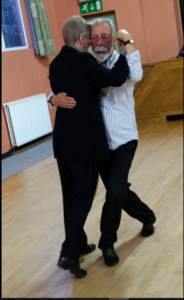 In its original form, young men would attend all male Prácticas to perfect their technique by dancing with other men.
After many months of learning the follower’s steps they would finally be allowed start to learn how to lead. In this way they already had a good idea of what it was they were leading! By the time they attended their first Milonga they would have mastered both leader and follower roles and were well and truly ready.
Meanwhile, it was customary for girls to learn Tango from their mothers, aunts and sisters, so that by the time they were old enough to start dancing socially they too were capable dancers.
Prácticas now – these days we have to find a shorter route to help with the challenges of learning Tango. As many of us are no longer teenagers when we start, it’s important to learn well and effectively.
It’s well known that our bodies only become familiar with new movements through repetition. It takes longer to get something into the muscle memory as well as our brains, but once it’s there, it tends to stick. The body learns exactly what it does repeatedly, so it’s far better to get into good habits rather than bad ones.
There is no substitute for regular practice outside of your classes or workshops.
However – the term Práctica now is often used to describe an informal tango social evening. Although it may be away from the more demanding rules and structures of Milongas, the music is often still in tandas with cortinas. This encourages people to use it just as a social event, with no serious technical work whatsoever.
This format may work for some people, but as friendly as they are, many Prácticas have lost the focus on serious practice in order to improve. For those who do want to practise just end up just getting in the way of the others who want to social dance.
Before going to a Práctica for the first time check with the organiser what their arrangements are for practising. They may say use the middle of the floor or a corner to stop and practise. Neither is adequate enough for both the social dancer and those who want to be able to stop and start to practise.
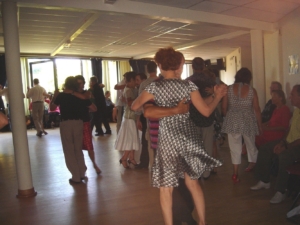 Guided Práctica – these are rarely available, but one of the few places where dancers can actually work on things together, outside of classes, and with expert and supportive coaching available.
The better system is where the music is continuously in the background with various orchestras, with the occasional Vals and Milonga, so there’s no formality or the need to complete a ‘tanda’ – that’s a different set-up.
These retain a friendly, fun and relaxed space dedicated to practice. It’s by far the most effective way of ensuring you practise correctly, but it needs to be overseen by experienced facilitators and skilled coaches who can identity problems which can only be corrected by finding the cause, not just trying to resolve an isolated symptom.
Whether it’s a Práctica or Guided Práctica, it’s a good idea to clarify with a partner what it is you’re both working together to improve.
Where something is not working, the ‘problem’ can be something that both dancers are contributing to. If in doubt ask for help from the Coach if you’re at a Guided Práctica, or they may well will intervene if seen that it’s becoming an issue.
Testimonial from happy dancers:
So generous with their time and experience at the guided practicas. Peter & Jennifer have a real knack at watching your dance ability and suggesting where to focus your efforts to improve the quality of your dance. We learned loads!
More Testimonials – here
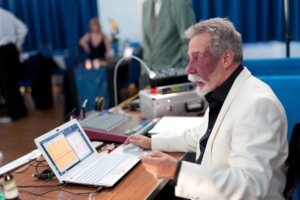
Práctilonga – some years ago we devised the Práctilonga.
Its purpose is to bridge the gap between classes, both types of Prácticas, to a Milonga.
It’s designed to retain the element of learning and practising, but without the instruction getting in the way of people wanting to do whole tandas.
The atmosphere is relaxed and friendly with a DJ and music in Tandas with Cortinas to accustom people to having whole dances with one partner.
Help is still available, but in a separate area off the main dance floor, or an area cordoned off from the main floor. This would still enable people to practise technique or repeated movements but without hindering other dancers, and then join back in the dancing when they’re ready.
If you’re unsure, check with the organisers that there is an area off the main dance for to practise, and whether there is any coaching support available. Otherwise, you can expect a relatively informal evening of social dancing, whilst following some aspects of normal Milonga etiquette.
some of which are:
… do not – at either at Práctilongas or Milongas stop and practise on the dance floor, or try to teach any new moves etc.
… no feedback – it is widely accepted that there should be no feedback at Práctilongas or Milongas, other than positive appreciation.
… under no circumstances dance during the Cortina, it’s designed so that you leave the main floor before the next tanda begins.